
Africa
Kenya's Gen Z forced the government to withdraw Finance Bill 2024's most controversial taxes — sanitary pads, livestock and unemployed youth levies — after three weeks of protests. Inside the victory and its cost.
Taxation remains one of the most powerful instruments governments use to finance national development. Through taxes, states can raise revenue by increasing rates on goods and services or by broadening the tax base to ensure fairness and wider participation. Ideally, taxation should balance public needs with citizens’ ability to pay.
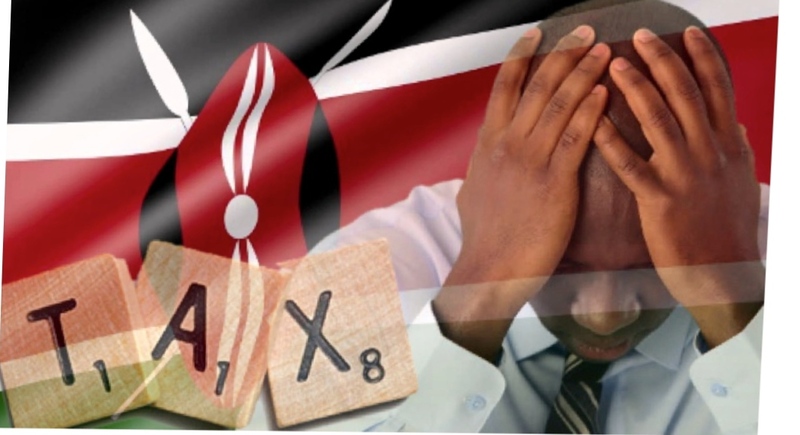
However, in Kenya, the government’s recent push for sweeping tax increases across multiple sectors triggered intense public backlash—particularly from Generation Z, who felt the proposals were excessive, unfair, and economically damaging.
This frustration culminated in the youth‑led “Occupy Everywhere, Reject Finance Bill 2024” movement. Organized primarily through X Spaces and TikTok, the campaign mobilized thousands of young Kenyans who criticized the government for imposing policies they believed would worsen the cost of living and disproportionately burden ordinary citizens.
Controversial Tax Proposals in the Finance Bill 2024
Controversial Tax Proposals in the Finance Bill 2024
Several proposals within the bill sparked widespread outrage, including:
- Annual taxation on motor vehicles
- Increased taxes on sanitary pads
- Taxation of freehold land
- Higher taxes on digital services
- A Ksh 300 monthly tax on unemployed individuals aged 25+ living with their parents
- Tax on livestock
To many Kenyans, these measures felt punitive and disconnected from the economic realities facing households. The idea of taxing sanitary pads, livestock, and unemployed youth struck a particularly sensitive nerve, fueling anger and galvanizing nationwide protests that lasted for three weeks.
Government Response and the Cost of Protest
Sustained public pressure eventually forced the government to withdraw several of the most controversial proposals—a rare and significant victory for the youth movement. It demonstrated the power of collective action and the growing political influence of Kenya’s young population.
However, the victory came at a painful cost. Lives were lost during clashes with law enforcement, and many young protesters suffered injuries. These tragedies underscored the urgency of addressing citizens’ concerns before frustration escalates into unrest.
The government now faces a critical test: proving that it genuinely prioritizes the well‑being of its people. To rebuild trust, leaders must confront deeper issues such as economic inequality, unemployment, and lack of transparency in public spending. Ignoring these concerns risks further alienation and instability.
A Wake-Up Call for Kenyan Leadership
The events surrounding the Finance Bill 2024 serve as a powerful reminder that when public frustration reaches a breaking point, the consequences can be severe. Kenya’s youth—who make up the country’s largest demographic—are no longer passive observers. They are vocal, organized, and determined to shape their future.
Protests were only the beginning. For lasting change, young Kenyans are likely to continue engaging politically, holding leaders accountable, and participating actively in elections and governance. Their involvement will be essential in building a more equitable, transparent, and people‑centered Kenya.