
Asia
How China came to dominate the global EV market with 5M vehicles exported in 2023, BYD's $3.7B in subsidies and a 70% export surge. Explore the policies, tariffs and whether the West can catch up.
China has leveraged its massive manufacturing capacity and technological sophistication to dominate the global electric vehicle (EV) market, surpassing many of its European competitors with remarkable speed. The country’s rise did not happen overnight.
It is the result of decades of strategic planning, rapid industrialization, and an unmatched ability to scale production. China’s advancements in battery technology, automation, and supply‑chain efficiency have positioned it as one of the most technologically capable nations in the world.
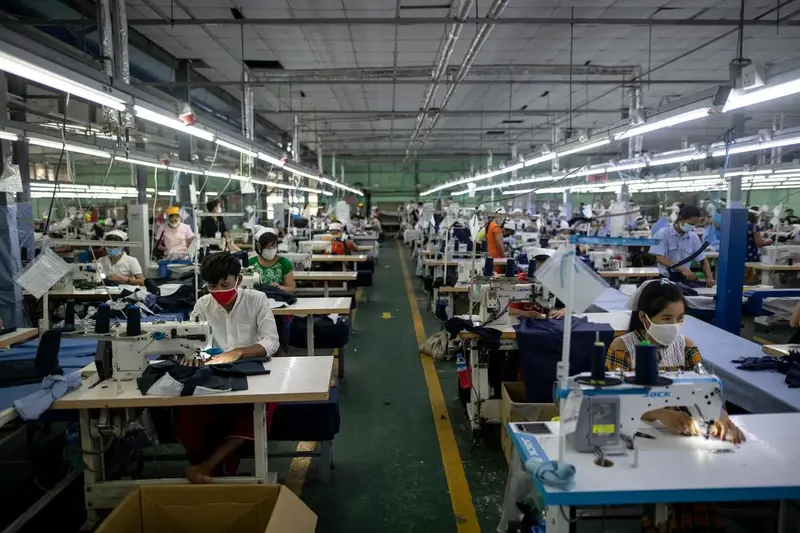
Combined with a vast industrial base and a relatively low‑cost labor force, China has created an environment that is extremely difficult for other countries to compete with.
A Journey from Unknown to Unstoppable
Forty years ago, China’s automotive industry barely registered on the global radar. Domestic production was limited, quality was inconsistent, and Chinese brands were virtually unknown outside the country. Today, the situation could not be more different. China now supplies nearly half of all cars sold worldwide, a transformation that has reshaped the global auto landscape.
Competitors such as the United States and major European nations are finding it increasingly challenging to keep pace with China’s rapid expansion in EV manufacturing. In 2023 alone, China exported approximately 5 million vehicles, a figure that underscores its growing dominance and global reach.
Competitors such as the United States and major European nations are finding it increasingly challenging to keep pace with China’s rapid expansion in EV manufacturing. In 2023 alone, China exported approximately 5 million vehicles, a figure that underscores its growing dominance and global reach.
Policy‑Driven Success: Fueling an EV Powerhouse
China’s rise is not solely the result of market forces. Government policy has played a decisive role in shaping the EV ecosystem. Over the past decade, Beijing has implemented aggressive industrial policies, subsidies, and incentives to accelerate EV adoption and production.
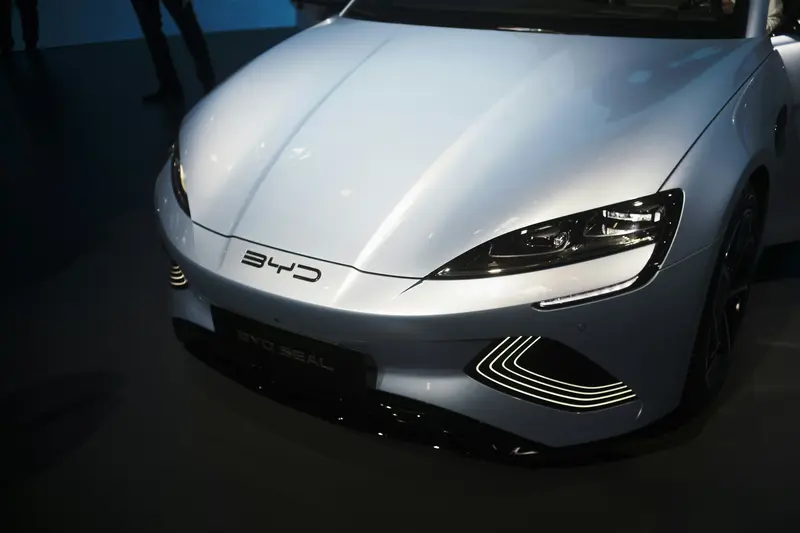
One notable example is the $3.7 billion in subsidies granted to BYD between 2018 and 2019, which helped propel the company into one of the world’s leading EV manufacturers (Kiel Institute). These policies created fertile ground for dozens of EV brands to emerge, innovate, and scale rapidly.
One notable example is the $3.7 billion in subsidies granted to BYD between 2018 and 2019, which helped propel the company into one of the world’s leading EV manufacturers (Kiel Institute). These policies created fertile ground for dozens of EV brands to emerge, innovate, and scale rapidly.
Growing Anxiety in the West: Can They Keep Up?
The United States and Europe are increasingly concerned that their domestic auto industries may be overtaken. Chinese EVs are not only significantly more affordable but are also improving in quality at a pace that rivals Western manufacturers. From 2022 to 2023, Chinese EV exports surged by 70%, capturing the attention of younger American consumers who are drawn to lower prices and advanced features.
Tariffs as a Defensive Shield: A Double‑Edged Sword
In response, Western governments have imposed heavy tariffs on Chinese EV imports to protect local industries. Yet these measures may be counterproductive. Higher tariffs raise consumer prices and do little to address the underlying competitiveness gap. Western automakers now face the dual challenge of matching China’s cost efficiency and technological innovation.
China’s Relentless March Forward: Dominating Despite Barriers
Even with mounting trade barriers, China’s EV export momentum remains strong. Western automakers, once global leaders, are losing ground as China continues to refine its manufacturing processes and expand its global footprint.
The Uncertain Road Ahead for Western Auto Industries
If Western nations rely solely on tariffs rather than investing in innovation, supply‑chain resilience, and next‑generation technology, they risk fading from relevance in the global auto market.
China’s manufacturing engine—powered by scale, technology, and strategic policy support—may ultimately redefine the future of global mobility.
China’s manufacturing engine—powered by scale, technology, and strategic policy support—may ultimately redefine the future of global mobility.