
Africa
Kenya vs Tanzania. How Dar es Salaam's cheaper port, $11B Bagamoyo project and lower park fees are pulling trade and tourists. What reforms does Kenya need now.
Kenya has long been recognized as the gateway and hub to the East and Central African regions. Known globally for its athletic prowess, the nation has also demonstrated significant potential across diverse industries.
Often referred to as the "Silicon Valley of Africa," Kenya has led technological innovation on the continent, notably through the development of mobile money platforms such as M-Pesa by Safaricom.
Advancements in Key Economic Sectors
In agriculture, Kenya is renowned for producing some of the world's finest tea, ranking third globally after China and India, with an estimated production of 537 million kilograms annually. The tourism sector has traditionally been a major contributor to Kenya’s GDP, fueled by the country’s rich biodiversity and cultural diversity.
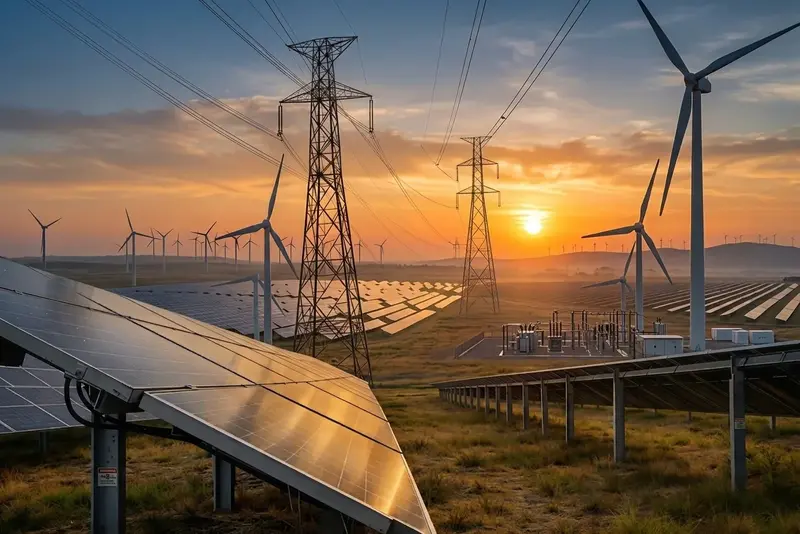
Additionally, Kenya has positioned itself among the top renewable energy producers globally, expanding investments in geothermal, wind, and solar energy.
Infrastructure and real estate have seen considerable development as part of the country's ambitious Vision 2030, aiming to transform Kenya into a middle-income nation. However, despite these advancements, emerging regional competition is increasingly threatening Kenya’s economic dominance.
Rising Competition from Tanzania
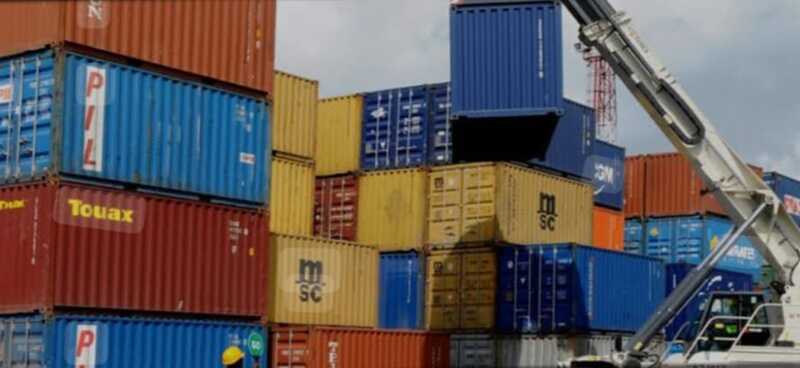
Kenya’s logistical supremacy, historically anchored by the Port of Mombasa, is under threat. The port has recently witnessed a decline in cargo volumes destined for neighboring East African countries.
A key driver of this shift is Tanzania's Port of Dar es Salaam, which offers lower operational costs and faster cargo clearance, attracting importers and exporters alike.
In tourism, Kenya faces additional challenges. Recent tax increases targeting the industry have led to higher entry fees to national parks and game reserves. Consequently, tourists are opting for more affordable and similarly attractive destinations in Tanzania, which offers comparable ecosystems at lower costs.
Regional Realignment of Trade and Investment
These developments have resulted in significant economic shifts within the region. Countries such as Uganda, Burundi, Rwanda, and the Democratic Republic of Congo are increasingly directing trade and investment flows towards Tanzania.
Tanzania’s infrastructural investments further underline this trend. Projects such as the $7.6 billion Standard Gauge Railway connecting Tanzania to Burundi, and the $11 billion Bagamoyo Port project (undertaken with China and Oman), are set to revolutionize regional trade logistics.
Once completed, the Bagamoyo Port will become Africa’s largest, capable of handling over 20 million containers annually. Additionally, the construction of the crude oil pipeline between Uganda and Tanzania signals a further realignment of major infrastructural projects away from Kenya.
Economic Policy Challenges in Kenya
Recent economic policies in Kenya have exacerbated the situation, causing a noticeable exodus of investors. Increased taxes, regulatory bottlenecks, and rising operational costs have made the country less attractive compared to its regional peers.
The loss of strategic business and investment opportunities to Tanzania threatens to impact multiple sectors of the Kenyan economy, from logistics and tourism to energy and infrastructure.
A Call for Strategic Reforms
To reclaim its leadership position as the primary economic hub in East Africa, Kenya must undertake urgent strategic reforms. This includes re-evaluating investment policies, enhancing operational efficiency, improving competitiveness, and creating an environment conducive to business growth and innovation.
Without bold and decisive action, Kenya risks losing its hard-won status to rising regional competitors, potentially altering the economic landscape of East Africa for decades to come.